
I use my iPad everyday. For reading comic, and to watch TV on it when I am on the treadmill or on a long flight. It is a good device to read ebooks. You can also play games on it, including console & PC game ports. And retro games, via emulators. It makes this all simple and seamless. Which is a problem for Apple.
Because it attracted two demographics: Grandmas and Kids. People buy them for the former so they don’t have to perform constant tech support and for latter so they would just shut up and let their parents enjoy the [Insert fun ‘adult’ activity]. The stereotype is so pervasive that iPad Kid[1] has become a pejorative meme.
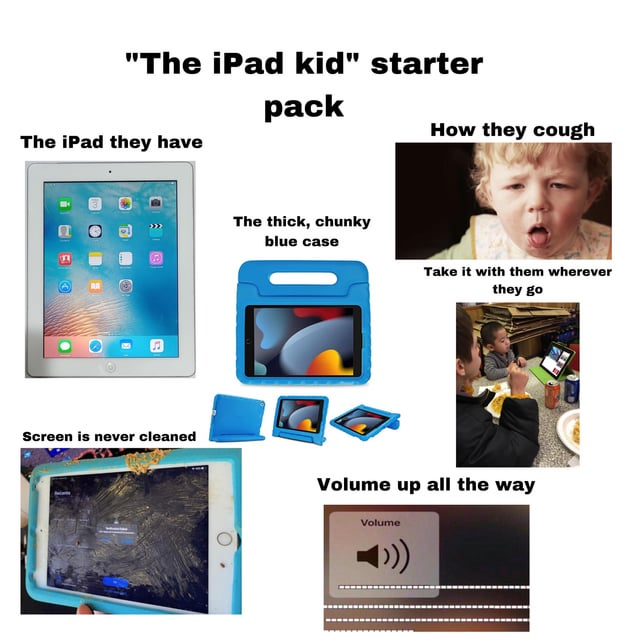
These two demographics don’t spend money in apps. They watch youtube, or consume AI slop on Facebook or play freemium games. And by virtue of these stereotypes, the device becomes less attractive to other, more lucrative consumers. Apple seeks to change that by giving the default tablet a mac/windows like windowing UI. A last ditch effort for people to actually use the device. However, it will not help. Their fundamental assumptions about why people use a Mac or a Windows laptop over an iPad are flawed.
From up on high
I am old enough to remember the launch of the iPad. The tech press was in hysteria. It was the device we didn’t know we needed, it was going to save magazines and people who disregarded it lacked the emotional maturity to appreciate it. The iPad will usher in the Post-PC world, said Steve Jobs.
On the tenth anniversary of the iPad I visited prominent Apple commentator Jonathan Gruber’s Daring Fireball to get his take. I expected triumphalist jubilation. Instead I got a somber reflection on “what went wrong?”. Looking around for further commentary, I came across this comment from a supposed Apple employee at Hacker News:
As someone who worked on the iPad v1, I can tell you, it was a product built in search of a problem. It was going to compete against the, then, growing Netbook market. Steve Jobs thought Windows was going to win that market and hastily threw a team together to answer for it. However, during several all-hands, no one except SJ seemed even remotely excited about the product…Apple trapped itself in a corner by doubling down that the iPad was going to forgo running full macOS because something about people not wanting to touch their laptop screen. So here we are, a product that launched without a vision, and then hamstrung by ego.
I have no doubt that all the bloggers singing praises of the device at launch felt the same way. They just had a economic incentive to say otherwise. Positive Apple stories lead to more hits from normies and trolls alike. The jubilant posts celebrating early sales successes missed the part where nobody used the damn thing.
And it is clear if you look at web traffic usage metrics. Tablet traffic is negligible on most website. Way smaller than “desktop” traffic, despite have quite a lot fewer sales. Apple realized this sales-to-usage gap quite early. Meet the Post-PC boss, same as the PC boss.
Backtrack
This Post-PC paradgim started crumbling pretty soon. Stylus support was added within 5 years.
Followed by Keyboard & Mouse support, and later Stage Manager[2]. Apple seemed to be conceding that the iPad needed to be more like the PC. And this year they finally gave up and added desktop mode. So why aren’t people really excited?
Experience
How many windows do you have open and floating around on your desktop right now? How much did the ability to drag windows around affected your decision to use this device over a tablet?
Most workers/students are working with apps maximized to the fullscreen. The average computer user does not care about multitasking. They just want something that can integrate into their workflow. And that would require something Apple can not allow; giving up control.
Source
Let alone giving up control on iPad, running unapproved apps is the Mac requires ever more arcane steps each year. It is possible however to add new forms of window navigation, compile your own apps from source, and capture keyboard inputs, to name a few ways a user can adapt the device. I, as a user that wants to be productive, can reconfigure the system to fit my own needs.
The so-called “PC world” was not created by top-down control from Microsoft, Apple, Commodore(RIP Amiga) and other 16-bit contemporaries. Software like Photoshop, Doom, WordStar, etc. were made without approval from OS or hardware providers. They used various hacks, workarounds and other tricks that wouldn’t be allowed today. This has been the biggest hole in the usability of the tablets(and smartphones) since the beginning.
If Jobs & Co. really wanted a Post-PC world, they would have allowed it to exist. They would have allowed developers and users to remake the system to serve their needs. Giving people half-a-laptop will not change that. Making your portable device desk bound is not going to make it more popular.
[1] Despite the reputation, Apple’s parental controls at the device level are some of the best.
[2] By the way, Stage Manager on the Mac is fantastic way of doing things.
I do not have analytics on this site. So leave a comment, even a nasty one, here or on your preferred social site, or shoot an email to feedback at the domain of this site. I also have weekly newsletter where I share wisdom I have acquired in the form of quotes and notes. You can check the archive here. You can sign up below to receive it every week.
One reply on “Window Management will not save the iPad”
[…] iPad Window Management: Apple just released a new update to iPad that allows you to use just like a laptop. I write about how it will not save the iPad. […]